
Tummy tuck
Abdominoplasty in aesthetic medicine: Cannes Mougins Aesthetic Centre
Abdominoplasty, also known as a tummy tuck, is a cosmetic surgical procedure designed to reshape the abdominal area. It involves removing excess skin and fat from the stomach while tightening weakened or stretched abdominal muscles. This procedure results in a flatter, firmer abdomen, improving the overall appearance of the figure.
What is abdominoplasty?
Abdominoplasty is a surgical procedure that treats aesthetic and functional problems of the abdominal wall. It is particularly effective in eliminating skin and muscle laxity caused by factors such as multiple pregnancies, significant weight fluctuations or ageing. In addition to removing excess skin and fat, the procedure can correct diastasis recti, which is a separation of the abdominal muscles often seen after pregnancy.
Why consider a tummy tuck?
There are several reasons why you might consider a tummy tuck. After significant weight loss, the skin may not retract completely, leaving unsightly excess skin. Similarly, pregnancy can stretch the muscles and skin of the abdomen, causing sagging that exercise alone cannot always correct. Natural ageing and genetic predisposition can also contribute to a prominent or sagging abdomen. Abdominoplasty offers an effective solution for regaining a flat, toned stomach, thereby improving self-confidence and overall well-being.
Who is a good candidate for abdominoplasty?
Ideal candidates for abdominoplasty are men and women in good general health, with stable weight and realistic expectations about the results of the procedure. It is recommended that patients have completed their family planning, as subsequent pregnancy may alter the results of the surgery. Non-smokers are also better candidates, as smoking can affect healing and increase the risk of complications. A consultation with a qualified surgeon will determine whether this procedure is right for you.
The different types of abdominoplasty
Full tummy tuck
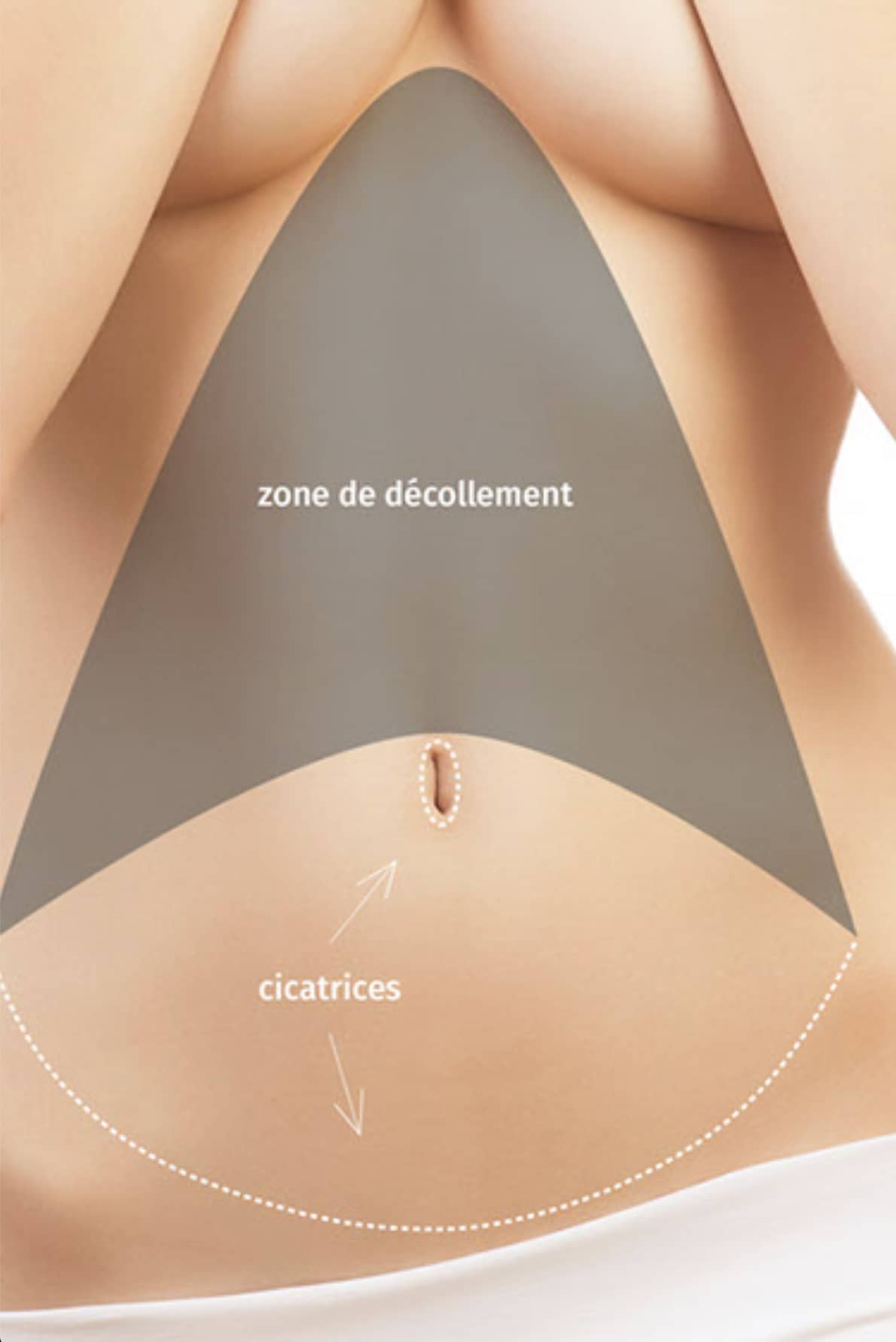
A full abdominoplasty is the most common procedure for treating the entire abdominal area. It involves a horizontal incision made just above the pubic area, extending from hip to hip. The surgeon then detaches the skin from the abdominal wall to access the underlying muscles, which are tightened and sutured to strengthen the abdominal wall. Excess skin and fat are removed, and the navel is repositioned to maintain a natural appearance. Liposuction is often performed in conjunction with this procedure to optimise the results. This procedure is ideal for patients with significant skin and muscle laxity across the entire abdomen.
Mini tummy tuck
Mini-abdominoplasty is less invasive and is intended for patients with excess skin and fat located below the navel. It requires a shorter incision and does not usually involve repositioning the navel. The surgeon can tighten the lower abdominal muscles and remove excess skin to flatten the lower abdomen. This procedure is suitable for people who are in good overall physical condition but want to correct a small, rounded belly that exercise cannot eliminate.
Extended abdominoplasty
Extended abdominoplasty is recommended for patients with significant excess skin extending to the flanks and lower back, often following massive weight loss. The incision is longer, allowing the surgeon to remove more skin and fat. This procedure offers a significant improvement in body contour by treating not only the abdomen, but also the lateral and posterior areas of the body.
Liposuction combined with abdominoplasty
In many cases, abdominoplasty is combined with liposuction to optimise results. Liposuction removes localised fat deposits that are resistant to exercise, thereby refining the contours of the abdomen and surrounding areas. Combining these two techniques provides a more harmonious transition between treated and untreated areas, improving the overall aesthetics of the silhouette.
The preoperative process
Initial consultation and medical assessment
The first step is an in-depth consultation with the surgeon. During this meeting, you will discuss your motivations, expectations and medical history. The surgeon will perform a physical examination to assess skin quality, excess fat and muscle tone. They will present you with the surgical options appropriate for your situation and develop a personalised treatment plan. Pre-operative photographs may be taken to document your initial condition.
Preparation for surgery
Before the procedure, the surgeon will provide you with specific instructions to prepare for surgery. This may include undergoing medical tests, adjusting your current medications, and stopping smoking several weeks before and after the operation. It is also advisable to organise your recovery period by arranging for help with daily tasks, as you will need to limit your physical activity during the recovery period, which lasts 7 to 15 days.
Preoperative instructions to follow
It is essential to follow the preoperative instructions carefully to minimise the risk of complications. You will need to fast from midnight on the night before the operation and take an antiseptic shower as recommended. On the day of the surgery, wear loose, comfortable clothing. Make sure you have a means of transport to get home after the procedure, as you will not be able to drive.
Expected results and benefits of abdominoplasty
Improvement of the abdominal silhouette
Abdominoplasty offers significant results in terms of physical appearance. By removing excess skin and fat and tightening the abdominal muscles, the procedure results in a flatter, more toned abdomen. The silhouette is refined, which can make choosing clothes easier and improve body satisfaction.
Impact on posture and physical comfort
Strengthening the abdominal muscles can improve posture by providing better support for the spine. In addition, removing excess skin can reduce skin irritation and discomfort associated with rubbing and moisture.
Effects on self-confidence and well-being
Beyond the physical benefits, abdominoplasty can have a positive impact on self-confidence and quality of life. Feeling better about one’s body can encourage a more active and healthy lifestyle, thereby enhancing overall well-being. Patients often report increased satisfaction in their personal and professional relationships.
Cost and coverage of abdominoplasty
Price estimates
The cost of a tummy tuck varies depending on several factors, including the complexity of the procedure, the surgeon’s fees, anaesthesia costs, and clinic or hospital fees. An accurate estimate will be provided during the initial consultation, after your specific needs have been assessed.
Conditions for reimbursement by health insurance
In some cases, abdominoplasty may be partially covered by health insurance, particularly if the abdominal apron partially or completely covers the pubic area, causing functional problems. A request for prior approval must be submitted and accepted by the National Health Service. Your surgeon will help you put together the application if necessary.
Patient FAQs about abdominoplasty
Returning to work depends on the nature of your job. For sedentary work, you can usually return after 10 to 15 days. If your work involves physical exertion, it is recommended that you wait at least two to four weeks.
The results of abdominoplasty are long-lasting, especially if you maintain a stable weight and a healthy lifestyle. However, significant weight fluctuations or subsequent pregnancy may affect the results.
Yes, abdominoplasty leaves scars, but the surgeon will endeavour to place them in such a way that they are concealed by underwear or swimwear. Over time, the scars will fade and become less visible.
Abdominoplasty is not a method of weight loss. It aims to reshape the abdomen by removing excess skin and fat and tightening the muscles. For optimal results, it is best to reach your target weight before the procedure.
Abdominoplasty is an effective surgical procedure for improving the appearance of the abdomen by removing excess skin and fat and strengthening the abdominal muscles. It offers significant aesthetic benefits, helps improve posture and physical comfort, and can have a positive impact on self-confidence. Like any surgery, it carries risks, but these can be minimised by choosing a qualified surgeon and carefully following pre- and post-operative instructions.
If you are considering abdominoplasty, the first step is to consult with an experienced plastic surgeon to discuss your goals and determine if you are a good candidate for the procedure. Learn about the procedure, the risks, and the care required to make an informed decision. Prepare yourself by adopting a healthy lifestyle to optimise your recovery and the results of the surgery. Don't hesitate to ask any questions you may have during the consultation so that you feel completely confident in your choice.
Further information on the intervention
General anaesthesia
Procedure duration: 2½ hours
In Mougins: Hospitalisation for 1 to 2 days Scar
location: See photo opposite Recovery
time: 7 to 15 days Compression
stockings must be worn for 15 days. A girdle
must be worn for 1 month after the procedure.