
Liposuction at the Cannes Mougins aesthetic centre
What is liposuction?
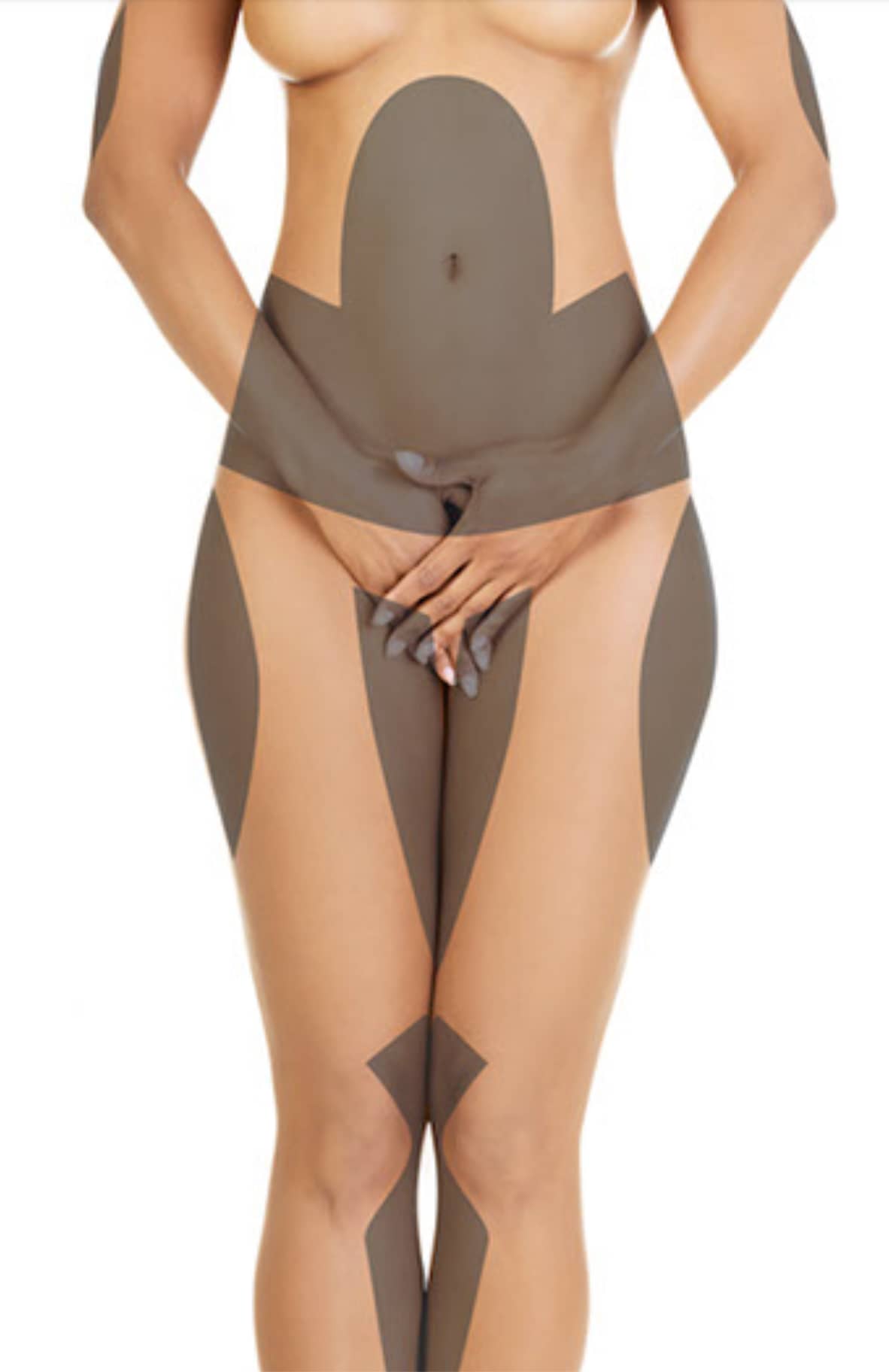
Liposuction, also known as liposuction, is a cosmetic surgery procedure designed to remove localised fat deposits in various parts of the body, such as the abdomen, hips, thighs, arms and chin. This technique sculpts the silhouette by removing excess fat that is resistant to diet and exercise.
Benefits of liposuction
The advantages of liposuction include a significant improvement in body contour, increased self-confidence, and the ability to target specific areas of the body for precise reshaping. This procedure offers long-lasting results as long as the patient maintains a healthy lifestyle after the procedure.
How does liposuction work?
Before the procedure, a detailed consultation is necessary to assess the patient’s health, discuss expectations and determine the areas to be treated. In cases of significant excess weight, it is recommended that the patient lose weight before considering the procedure. Medical examinations may be required to ensure that the patient is in good health and fit to undergo the operation.
Preparation for the procedure
It is necessary to avoid any treatment that promotes bleeding in the week prior to the procedure:
anticoagulants, aspirin, and anti-inflammatories. If you are taking any of these treatments, you must inform the medical team.
Marking the areas to be treated
In the operating theatre, just before the procedure, the surgeon draws lines on the skin to indicate the areas of fat deposits to be removed. This marking is crucial for a symmetrical and harmonious result.
Anaesthesia
The procedure can be performed under local anaesthetic, sedation or general anaesthetic, depending on the size of the area to be treated and the patient’s preferences. In most cases, a general anaesthetic is necessary to ensure that the procedure is performed optimally and in conditions that are comfortable for the patient.
Fat extraction
Before being suctioned, the fat cells are first separated by infiltration with saline solution. The fat is then emulsified by ultrasound using the VASER technique. VASER allows a larger volume to be suctioned while being less traumatic than traditional liposuction. A fine cannula is then inserted through small incisions to aspirate the excess fat using the PAL (Power Assisted Liposuction) technique. The volume removed from each area is noted so that a symmetrical result is achieved.
Post-operative care and recovery
Recovery varies depending on the extent of the procedure and the technique used. Bruising, swelling and moderate pain may occur. Wearing compression garments is often recommended to help reduce swelling and promote even healing. It is essential to wear this compression garment for at least 4 weeks. Lymphatic drainage is recommended to promote the resorption of post-operative oedema. Light activities can be resumed after a few days, but intense exercise should be avoided for about 4 to 6 weeks.
Comparison between liposuction techniques
Traditional liposuction
This technique involves the use of a cannula to mechanically suction out fat without the use of ultrasound or PAL.
Ultrasound-assisted liposuction (UAL)
UAL uses ultrasonic vibrations to liquefy fat before suctioning it out, which can be more effective for fibrous areas.
What results can we expect?
Price estimates
The cost of a tummy tuck varies depending on several factors, including the complexity of the procedure, the surgeon’s fees, anaesthesia costs, and clinic or hospital fees. An accurate estimate will be provided during the initial consultation, after your specific needs have been assessed.
Conditions for reimbursement by health insurance
In some cases, abdominoplasty may be partially covered by health insurance, particularly if the abdominal apron partially or completely covers the pubic area, causing functional problems. A request for prior approval must be submitted and accepted by the National Health Service. Your surgeon will help you put together the application if necessary.
Frequently asked questions from our patients regarding liposuction
The procedure generally lasts between 1 and 3 hours, depending on the amount of fat to be removed and the number of areas to be treated.
Post-operative pain is usually moderate and can be effectively controlled with painkillers. Most patients experience discomfort similar to muscle soreness.
Like any surgery, liposuction carries risks of infection, bleeding, and reaction to anaesthesia. Specific complications may include contour irregularities, changes in skin sensitivity, and fluid accumulation (seromas). These complications usually subside after 3 months. In the event of irregularities, a follow-up procedure may be considered 9 to 12 months after the initial procedure.
Most patients can resume their normal activities after 4 to 7 days, although strenuous activities should be avoided for 4 to 6 weeks. Wearing a compression garment is recommended to improve results.
Yes, liposuction allows specific areas of the body to be targeted. It is important to discuss your expectations with your surgeon to define the areas to be treated and achieve a harmonious result.
Further information on the intervention
General anaesthesia
Procedure duration: 1½ to 3 hours
In Mougins: Outpatient admission in most cases Scar
location: See photo opposite Recovery
time: 4 to 7 days